What happens to your body when you drink coffee on an empty stomach?
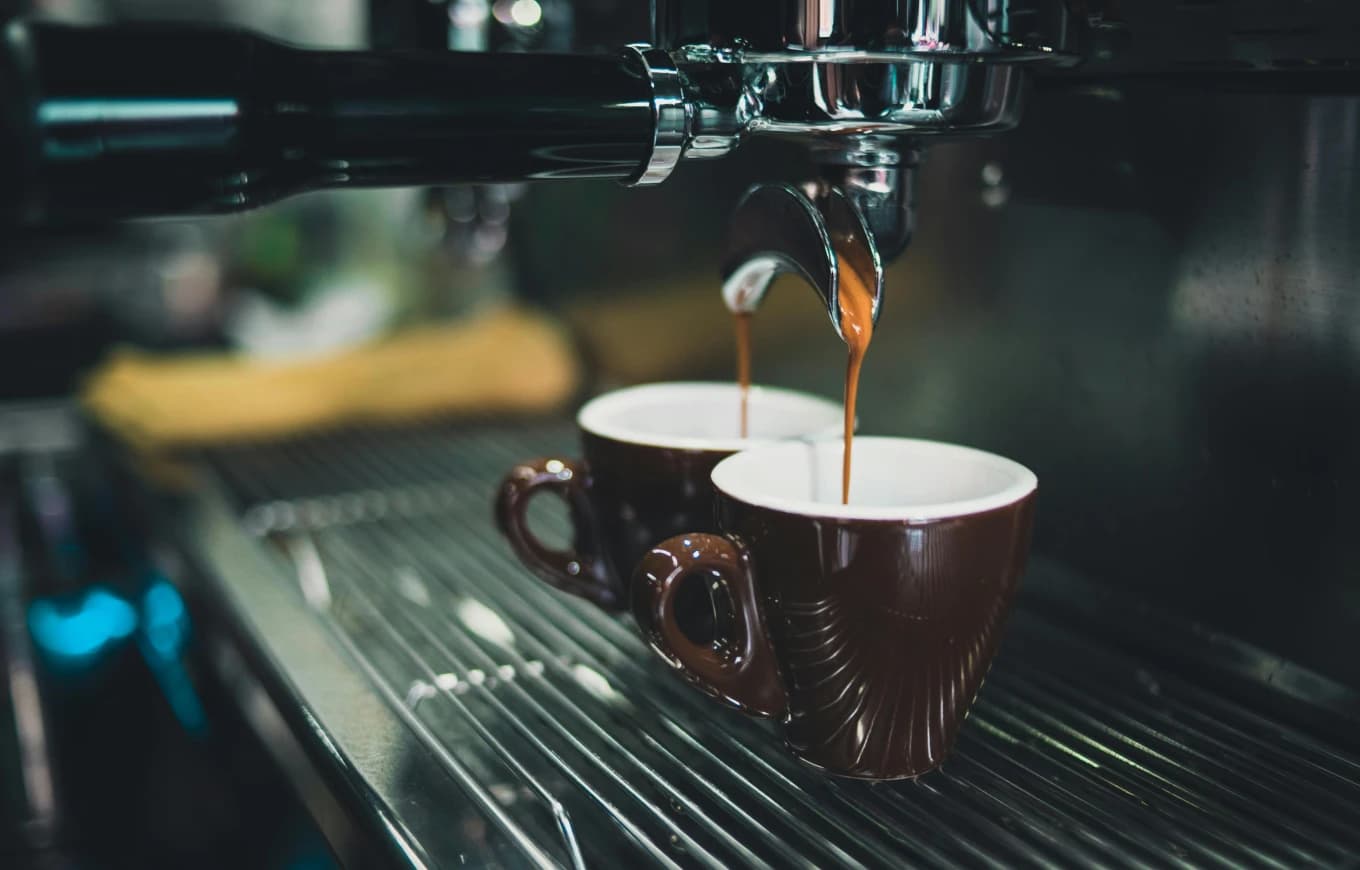
For many people, the day begins with a cup of coffee the moment they open their eyes. But what actually happens to the body when coffee is consumed on an empty stomach?
Dietitian and health coach Dr Shannon Lavery, who has nearly 20 years of experience, says that many of the warnings circulating on social media are exaggerated, according to Bored Panda.
According to Dr Lavery, drinking coffee on an empty stomach does not cause ulcers or "damage the stomach," as is often claimed. It simply stimulates acid production in the stomach, which may cause heartburn or acid reflux in some individuals.
"All coffee does on an empty stomach is stimulate the release of acid in the stomach," Dr Lavery explained.
She adds that ulcers are typically linked to H. pylori bacterial infection or the excessive use of painkillers, not to coffee consumption. That said, people who already suffer from ulcers should avoid coffee, as it can worsen their symptoms.
The expert also notes that coffee is not the best choice for people who suffer from anxiety, as it blocks adenosine, a brain chemical that promotes relaxation.
Another myth she disputes is the idea that coffee is the primary reason we feel awake in the morning. In reality, she says, it is the hormone cortisol that plays the leading role.
"Cortisol rises naturally immediately after waking and peaks within the first 30 to 45 minutes. That is what helps you feel energised in the morning," Lavery said.
For this reason, drinking coffee immediately upon waking may not deliver the energy boost many people expect, since the body is already in a state of alertness.
Experts recommend having the first cup of coffee one to two hours after waking.
Meanwhile, British doctor Nighat Arif advises against drinking coffee after 2:00 p.m., as caffeine can negatively affect sleep quality.
"Studies show that people sleep better when they avoid caffeine in the afternoon hours," she said.
However, Arif stressed that this recommendation does not necessarily apply to shift workers or those who work night shifts, who may need coffee at different times of day.


